Get
in touch
in touch
Tell us where you're headed, and
we'll help with the rest:
destination advice, trip preparation,
and everything in between.


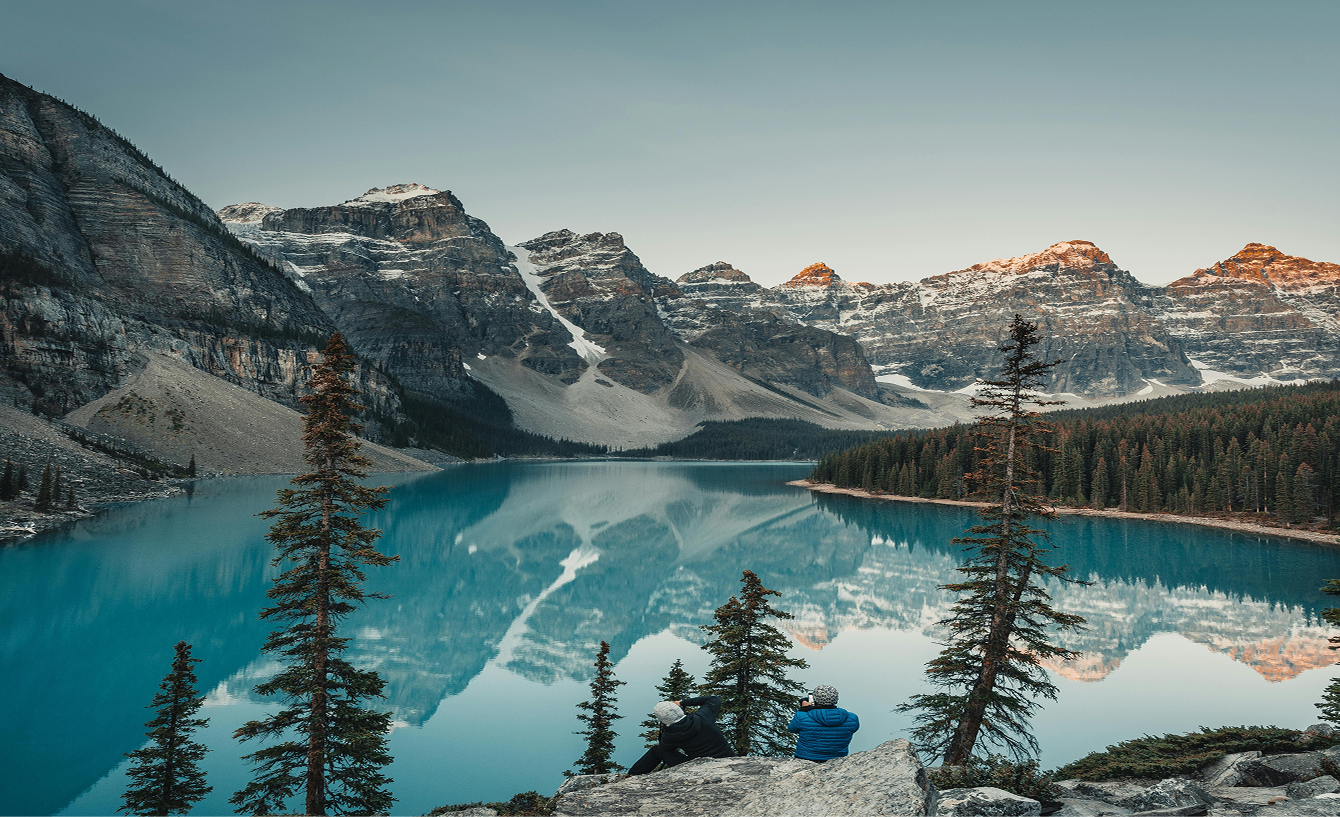
Patagonia is not a place you simply visit - it’s a landscape you experience through light, scale, and silence. Stretching across southern Chile and Argentina, this remote region feels vast and cinematic, shaped by wind, glaciers, and endless horizons. Every turn of the trail offers a new frame, making Patagonia a natural story told through images.
What defines Patagonia visually is contrast. Sharp granite peaks rise above calm turquoise lakes, while wide open plains dissolve into dramatic skies. The weather shifts constantly, transforming the same view within minutes. For travelers and photographers alike, this unpredictability becomes part of the story - no two moments ever look the same.
The region's geography is a study in extremes. The Andes mountain chain forms a dramatic spine running north to south, with peaks like Mount Fitz Roy and Torres del Paine drawing adventurers from around the globe. Between these towering summits lie ancient glaciers, some of the largest outside Antarctica, slowly carving their way through valleys shaped over millennia. The Southern Patagonian Ice Field alone covers over 12,000 square kilometers, feeding countless rivers and lakes with meltwater of impossible blue.
To the east, the steppe stretches endlessly - a dry, windswept expanse that feels almost lunar in its emptiness. Here, guanacos roam in herds, and the horizon seems to go on forever. To the west, temperate rainforests cling to the Chilean coast, dripping with moisture and alive with ferns, mosses, and ancient trees. This dramatic range of ecosystems within a single region is what makes Patagonia so endlessly compelling.
Trails here feel raw and unfiltered. Long hikes lead through lenga forests, across open valleys, and toward towering mountain ranges that seem almost unreal in scale. Even the quiet moments carry weight: a pause by a glacial river, a lone path stretching into the distance, or the sound of wind moving through empty land.
The famous treks: the W Circuit in Torres del Paine, the Huemul Circuit near El Chaltén, the Carretera Austral's winding routes - each offer their own rhythm and reward. Some days demand steep climbs and careful footing over scree. Others unfold gently along valley floors, where the only sound is your own breathing and the crunch of gravel beneath your boots.
What strikes many visitors is the sense of earned solitude. Unlike more crowded destinations, Patagonia requires effort to reach its treasures. Long bus rides, unpredictable ferries, and weather delays are part of the bargain. But those who persist are rewarded with moments of profound stillness: standing alone before a glacier, watching ice calve into dark water, or catching the first pink light of dawn on a granite spire.
Photography in Patagonia is less about chasing perfection and more about observing presence. The strongest images often come from patience and awareness, shaped by natural rhythm rather than planning. What makes Patagonia visually unforgettable:
Dramatic shifts of light and weather... In Patagonia, you might experience four seasons in a single afternoon. Sunlight breaks through storm clouds in dramatic beams, illuminating patches of landscape while leaving others in shadow. Rainbows appear and vanish. Wind whips clouds into shapes that seem impossible. This constantly changing light is both a challenge and a gift for photographers.
Vast, open spaces that emphasize scale... It's difficult to convey the sheer size of Patagonia through words. A single mountain might rise 2,000 meters above the valley floor. A lake might stretch beyond the horizon. Including a human figure in your frame, a tiny silhouette against an enormous backdrop, helps communicate this overwhelming sense of scale.
Quiet details within powerful landscapes... Beyond the grand vistas, Patagonia rewards close attention. Frost patterns on a leaf. The texture of wind-carved rock. A single flower blooming in an otherwise barren landscape. These small moments often carry as much emotional weight as the iconic views.
A sense of remoteness and raw nature... There's something humbling about standing in a place where human presence feels incidental. Patagonia remains largely untouched, a reminder of what the world looked like before we reshaped it. Capturing that feeling of wildness, of distance, of nature on its own terms, is perhaps the greatest photographic challenge.
But Patagonia is not only about landscapes. It's also about the feeling of being small within something immense. Each image becomes a reminder of distance traveled, effort made, and moments earned on foot. The camera doesn't just capture scenery - it holds memory, movement, and the quiet intensity of the journey.
Travelers often describe their time here in emotional terms. There's the exhaustion of a long hike, followed by the elation of reaching a viewpoint. The camaraderie of sharing a meal with strangers who become friends. The strange melancholy of leaving a place that has changed something inside you.
Perhaps that's why Patagonia lingers in memory long after the trip ends. It's not just the photographs, though those help. It's the way the wind sounded at night. The taste of cold, clean water from a mountain stream. The feeling of insignificance, not in a diminishing way, but in a liberating one. To stand at the edge of the world is to understand your place within it.
For those considering a Patagonian adventure, preparation matters. The region spans two countries, and travel between highlights can take days. Peak season runs from November to March, when daylight stretches late into the evening. Bookings for popular treks and refugios fill months in advance. Layers are essential; weather can turn on a dime, and having the right gear makes all the difference.
But beyond logistics, the most important preparation is mental. Patagonia asks for patience. It asks for flexibility. It asks you to surrender your expectations and embrace what the land offers, moment by moment. Those who arrive with open minds leave with full hearts.
To picture Patagonia is to accept its wild nature. You don't control the conditions; you respond to them. And in doing so, you leave with more than photos — you carry a deeper connection to the land and a story shaped by exploration itself.
The photographs you bring home will fade, perhaps, or find their way into albums and frames. But the experience - the wind, the silence, the vastness - remains. Patagonia doesn't just show you a landscape. It shows you something about yourself. And that, more than any image, is what you carry forward.
Why does Iceland stay with people long after they leave? This post explores the landscapes, silences, and small moments that make the island impossible to forget.
What happens when civilization disappears behind you? This post explores remote landscapes, the lessons they teach, and the courage and connection that only untouched nature can inspire.
What waits beyond the marked trail? This post explores how leaving familiar routes behind leads to unexpected discoveries, deeper awareness, and adventures no guidebook can offer.