Get
in touch
in touch
Tell us where you're headed, and
we'll help with the rest:
destination advice, trip preparation,
and everything in between.


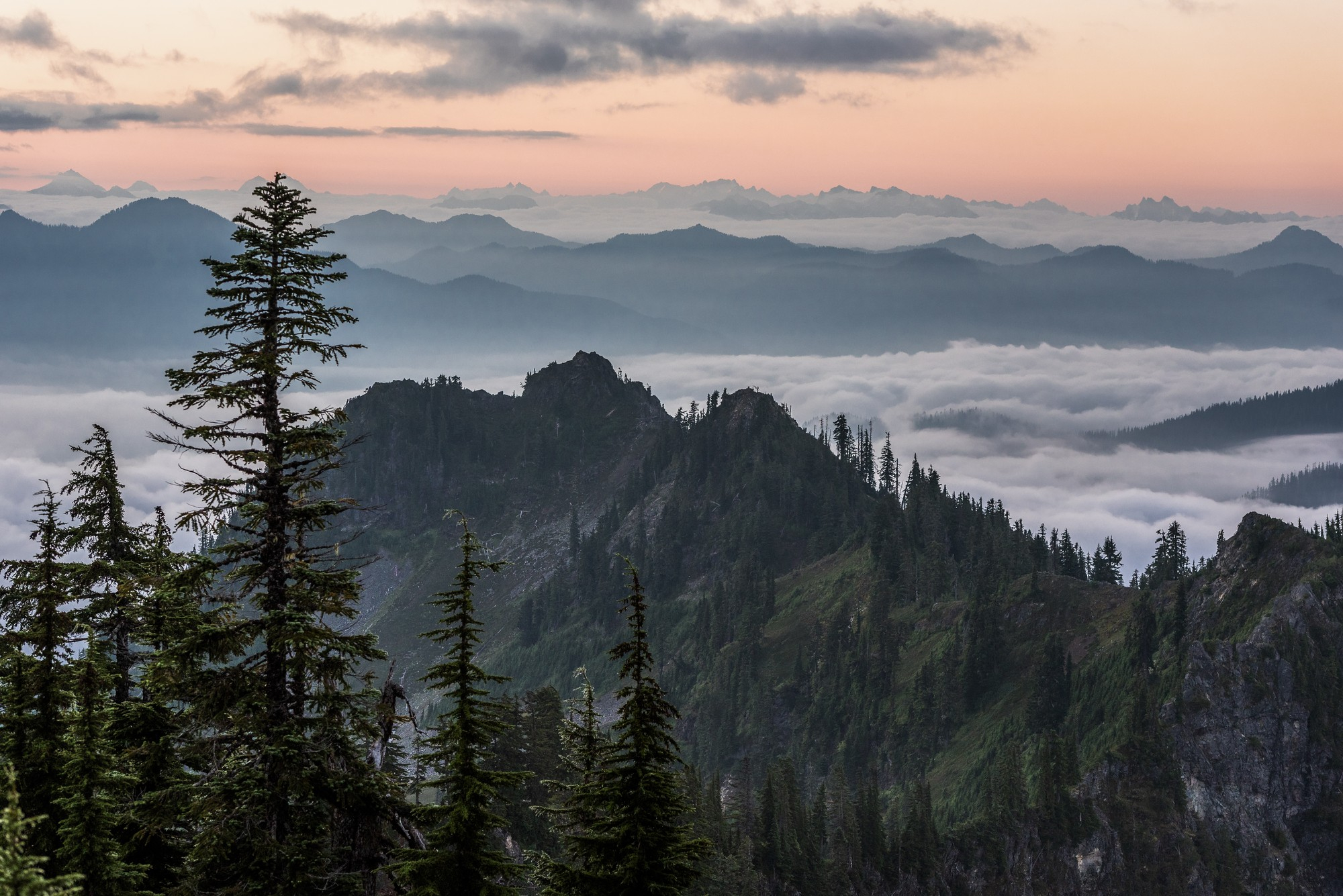
There's a particular kind of stillness that comes from standing at the edge of something vast. A ridge line at dawn. A coastline stretching into mist. A road that disappears into the distance with no clear end in sight. In those moments, something stirs. Not restlessness exactly, but a quiet pull. A sense that somewhere beyond the visible edge, something is waiting.
That pull is what keeps us moving. It's why we plan trips we can't quite afford, why we wake before sunrise to catch light that lasts only minutes, why we keep returning to places that make us feel small in the best possible way.
We call it chasing horizons.
What is it about distance that draws us? Not the distance itself, but what it represents. The unknown. The possible. The promise that somewhere out there, the world looks different than it does from where we're standing.
Horizons are, by definition, unreachable. The closer you get, the further they recede. You can never actually arrive at a horizon. It exists only as a direction, a suggestion, a line the eye follows but the body cannot cross. And yet, we chase them anyway.
Maybe that's the point. Maybe horizons aren't meant to be reached. They're meant to be followed. They give us something to move toward, even when we know we'll never quite get there. They keep us walking.
There's a reason people travel to wide-open places. Deserts. Steppes. Moors. Coastlines. Places where the sky dominates and the land stretches without interruption. These landscapes do something to the mind. They create space.
In a city, your attention is constantly pulled. Advertisements, conversations, traffic, screens. Everything competes. The mind becomes crowded, reactive, defensive. But in an open landscape, that pressure lifts. The senses relax. Thoughts slow down. You begin to notice things you'd otherwise miss: the way light moves across grass, the sound of wind through nothing at all, the simple fact of being alive in a particular place at a particular time.
This is why we seek open spaces. Not to escape, but to return. To remember what our minds feel like when they're not being pulled in a hundred directions. To breathe, properly, for the first time in weeks.
Every trail teaches something. Some lessons are practical: how to pace yourself, how to read weather, how to navigate when the path disappears. Others are less tangible.
A long walk teaches patience. The destination matters less than the movement. You learn to be where you are, to accept the rhythm of the day, to find satisfaction in progress rather than arrival.
It teaches resilience too. There are moments on any trail when you want to stop. When the weather turns. When the climb steepens. When your body aches and the map suggests you're still hours away. In those moments, you discover something about yourself. You learn that you can continue. That discomfort passes. That the reward often comes just after the point where you wanted to quit.
These lessons don't stay on the trail. They follow you home. They change how you handle difficulty, how you approach uncertainty, how you think about your own limits.
What separates those who keep adventuring from those who stop? It isn't money, though money helps. It isn't time, though time matters. It's curiosity. A genuine interest in what lies beyond the next hill, around the next bend, across the next stretch of water.
Curiosity is a muscle. Use it, and it grows. Ignore it, and it weakens. The more you follow your curiosity, the more curious you become. Questions multiply. The world becomes more interesting, not less. Every answer spawns new questions. Every place suggests another.
This is the real fuel of adventure. Not thrill-seeking, not escape, but simple, steady curiosity. The desire to see what's there. To understand what's different. To learn what you don't yet know.
Not every adventure requires a passport. Not every horizon is geographical. Some of the most meaningful journeys happen closer to home: a new neighborhood explored, a skill learned, a conversation that opens a door you didn't know existed.
The spirit of adventure is portable. It travels with you. It's a way of moving through the world, not a destination. You can chase horizons from your own backyard. You can find the unknown in familiar places if you're willing to look.
What matters is the orientation. The willingness to be surprised. The openness to being changed. The quiet commitment to keep moving, keep looking, keep wondering what's out there.
Adventure is not a phase. It's not something you do in your twenties and then set aside. It's a practice. It requires attention, intention, and a certain stubbornness. The world will always offer reasons to stay put. Comfort. Obligation. Fear. These are real, and they matter. But they don't have to win.
Keep a list of places you want to see. Take the long way home. Say yes to the invitation that scares you a little. Read about places you've never been. Talk to people who've traveled differently than you have. Small acts keep the spirit alive. They remind you that the horizon is still there, still pulling, still worth chasing.
And when you can, go. Step outside. Follow the pull. See where it leads.
The horizon isn't going anywhere. But neither, if you're lucky, are you.
Why does Iceland stay with people long after they leave? This post explores the landscapes, silences, and small moments that make the island impossible to forget.
What happens when civilization disappears behind you? This post explores remote landscapes, the lessons they teach, and the courage and connection that only untouched nature can inspire.
What waits beyond the marked trail? This post explores how leaving familiar routes behind leads to unexpected discoveries, deeper awareness, and adventures no guidebook can offer.